


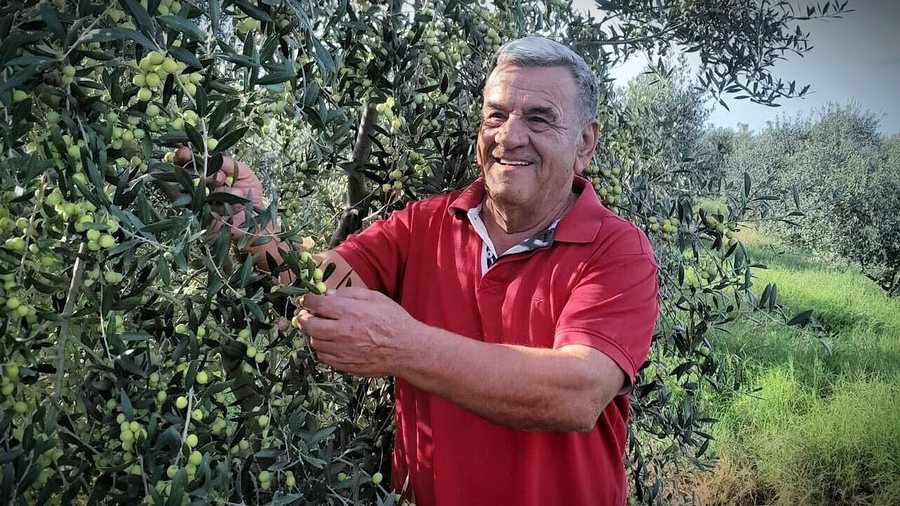
A Gold Award at the NYIOOC 2026 World Olive Oil Competition confirmed the growing attention that premium olive oil producers in Albania are receiving in international markets.
"This is an international recognition of our family's long-standing commitment and a confirmation that Albania is capable of producing olive oil according to the highest global standards," Bruna Musa and Kejda Musa, respectively director and marketing manager of "Musai Olive Oil", told *Olive Oil Times*.
The family-run company, located near the village of Skrofotinë in the Vlora region, transformed its early connection with olive cultivation into a professional olive oil business in 1995.
"Our family has always had a deep connection with olives and the land, but over the years we decided to transform this tradition into a long-term professional project,"* they said. Within a few years, the company began to reach international customers, promoting the quality and identity of Albanian production.
The company's executives emphasized that a large part of this quality comes from the unique position of their olive groves in the hills surrounding Vlora, near where the Adriatic and Ionian seas meet.
"This land offers an ideal microclimate for olive cultivation, with mild winters, abundant sunshine and mineral-rich soil,"* they said. *"The clean sea breezes naturally ventilate the olive groves and reduce excess humidity, promoting healthier fruit."
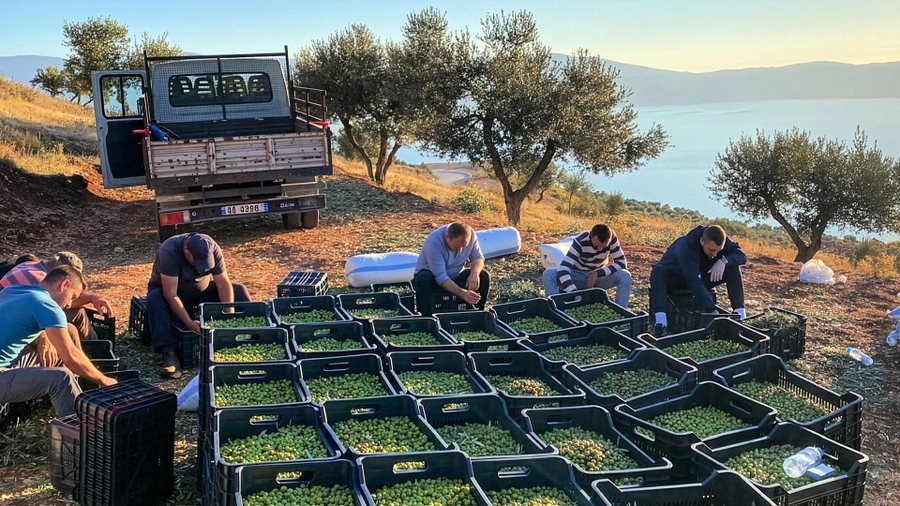
The olive-growing landscape surrounding Vlora stretches across rocky coastal hills, where olive cultivation has adapted for centuries to the rugged terrain and long, dry summers. Many traditional olive groves are planted on limestone-based soils with excellent natural drainage, conditions that favor slower fruit development and more concentrated aromatic profiles.
In many areas, olive trees continue to grow on ancient terraces carved into the hillsides, reflecting a long agricultural tradition closely linked to the rugged coastal landscape of Southern Albania.
"The proximity to the sea has a direct impact on the character of our olive oil," the company said. *"The local environment has a tremendous impact on its profile, as the climate, soil and proximity to the sea create a very distinct territorial identity."
Musai's production is certified organic. According to NYIOOC analysis, the company's oils are characterized by notes of artichoke, pepper, green almond, and olive leaf. The herbaceous and structured profiles are closely related to **Kalinjot**, a local cultivar that dominates the area. This indigenous Albanian variety is receiving increasing international attention for its qualities.
"Kalinjoti is unique due to its high polyphenol content, natural stability and rich organoleptic profile,"* they explained. According to the company, the promotion of local cultivars is part of a broader effort to establish a recognizable identity for Albanian olive oil in export markets.
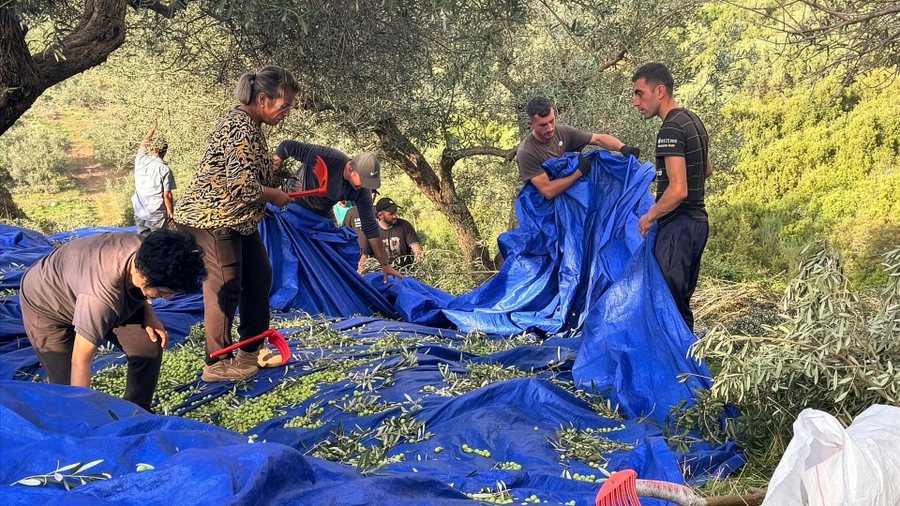
"Compared to the most internationally recognized varieties, Kalinjoti produces olive oils with a strong personality and an authentic Mediterranean identity." In the Vlora region, modern commercial production remains closely linked to centuries-old agricultural traditions. Rather than focusing solely on maximizing quantity, the farm management strategy centers on preserving the health of the trees and the quality of the fruit through sustainable management.
"We follow sustainable and quality-oriented practices, including careful pruning, constant soil monitoring, organic nutrition, and regular tree health checks," the managers explained.
Year-round activities include preventive phytosanitary management, guided by strict monitoring of the olive groves and the principles of minimal intervention. *"Our focus is on prevention... We use the most natural methods possible while respecting local biodiversity."
Most of the farm's olive groves rely primarily on natural rainfall, with controlled irrigation only used during particularly dry periods; a choice the company says aims to preserve the "ecological balance of the territory." New plantations and updated agricultural systems have been added over time to improve long-term sustainability.
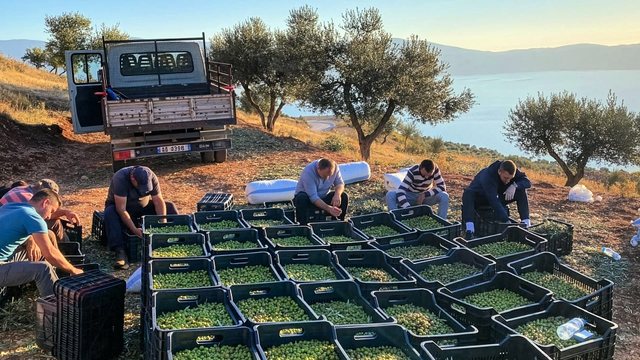
The harvest time at "Musai" is guided by ripeness analysis and the accumulation of phenolic content. "Great care during the harvest is essential, because the quality of the olive oil begins at the precise moment the olive is plucked from the tree."
The farm's factory, equipped with Alfa Laval technology and with a processing capacity of 1,000 kilograms per hour, produces around 100 tonnes of oil each season. Like producers across the Mediterranean, the company said climate change is becoming an increasingly important factor in production planning.
Extreme temperatures, prolonged rainfall and unpredictable seasonal conditions affect both yields and the natural development cycle of trees, requiring constant adaptation. Despite these pressures, "Musai" believes that growing international interest in indigenous cultivars is creating new opportunities for Albanian producers in export markets.
"Albanian olive oil is gaining increasing attention,"* they concluded. "Consumers and experts are discovering the potential of our indigenous varieties and the authenticity of the Albanian land. Tradition is our identity, while innovation is the way we move forward."
Editorial
