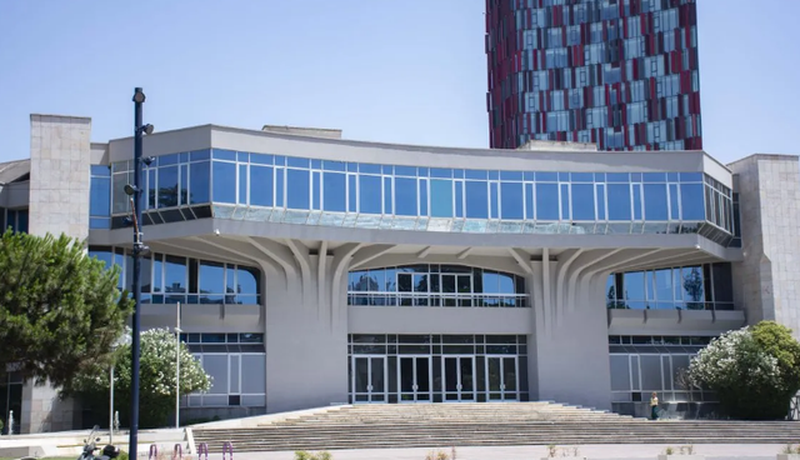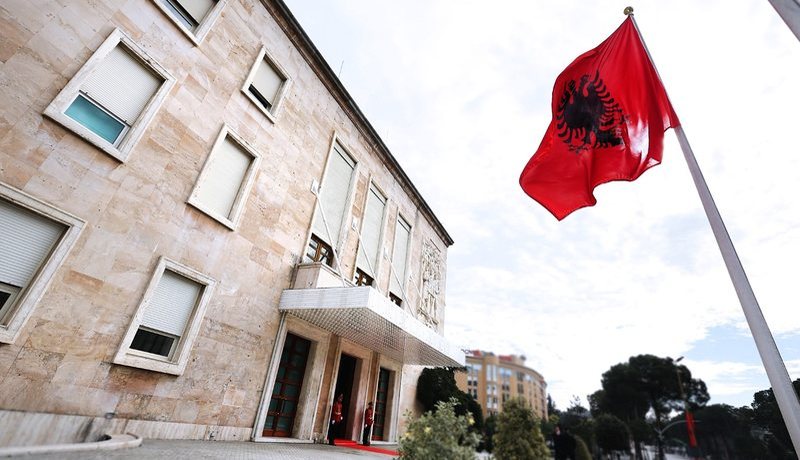
For the first time in many years, the National Council of Territory and Water has closed its doors and has not met for at least 4 months. The reason is the Ministry of Infrastructure and Energy. Or more precisely, former Minister Belinda Balluku's problems with justice.
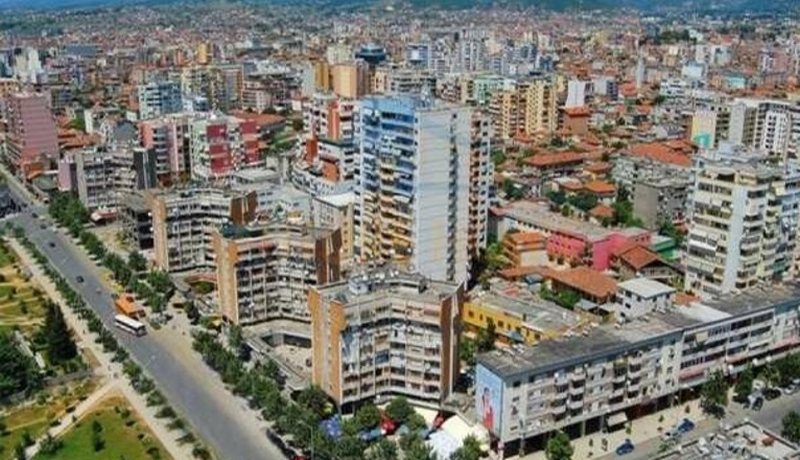
The last meeting of the KKTU was held on October 23 of last year. Hundreds of businesses have had to postpone their projects due to the inability to obtain building permits. The paralysis of the KKTU has not only affected tower or resort projects, but also public works, which require building permits.
The lockdown situation has also begun to be strongly reflected in market sentiment. In the sentiment indicator published by the Bank of Albania, the construction sector marked the largest decline in optimism.
The construction confidence index decreased by more than 6 percentage points for the first time in many years, despite the fact that the level of construction confidence still remains above the multi-year average.
Due to the great momentum of construction, KKTU had consolidated a tradition of meeting almost twice a month. But after SPAK took Belinda Balluku as a defendant in November last year, KKTU meetings were automatically blocked, as the Ministry of Infrastructure is also the main line institution in territorial regulation and urban planning.
A few days ago, Prime Minister Edi Rama changed half of the government, including the Minister of Infrastructure. Belinda Balluku was dismissed after more than 6 years in this position and replaced by Enea Karakaçi.
These changes in the government are also expected to unblock the KKTU, which is expected to meet in the coming days.
Editorial