Arben Malaj
In finance, we say about tempting offers: "It's too good to be true."
Don't buy into projects that haven't started and advanced!
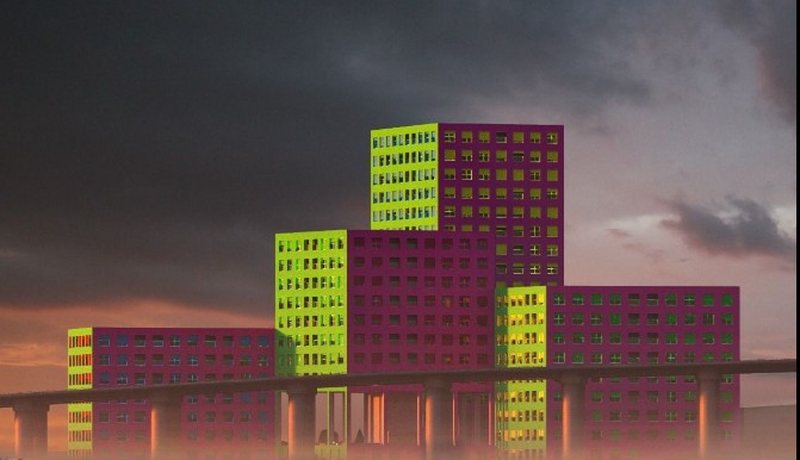
Don't buy "air", but the house!
This is for several reasons:
(i) your inability to identify potential risks;
(ii) when companies fall into a crisis of continuing projects that they have started without the necessary and legal resources, they declare bankruptcy;
(iii) you are the first and most damaged victims of any type of bankruptcy;
(iv) violation of deadlines by the builder and without any real penalty and compensatory guarantee for you;
(v) high risk of selling the same property several times;
(vi) risk of legal problems between partners and blocking the legal benefit of the property;
(vii) potential blocking of the property under development under the anti-mafia law, creates additional costs for potential buyers;
(viii) there are quite a few cases where when sales prices increase from your pre-purchase price, companies violate the contract!
They refund your down payment and sell your reserved home to new buyers at the increased price. For these reasons — don't be tempted by "fishing prices."
Do not sign any "purchase promise" or "advance purchase" contract without consulting a lawyer specializing in commercial law;
Operate with serious real estate offices.
Make every transaction only through banks.
Any tempting/fishing offer of the moment can create severe financial and psychological costs to the extreme.
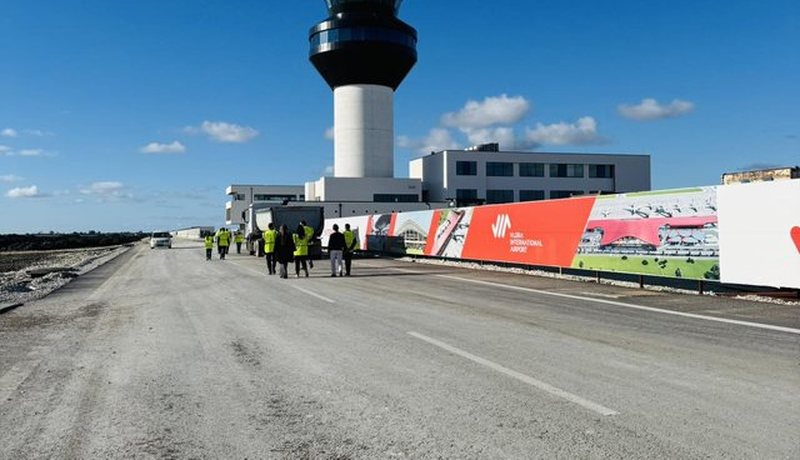
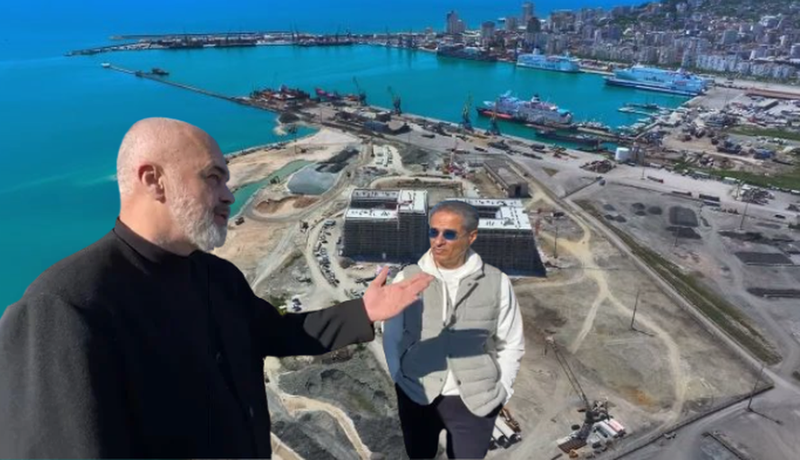
The Albanian government, as a co-shareholder in this project and responsible for approving this project, has responsibility for the professional credibility of the geological studies.
Some additional and preventive clarifications:
1. The critical issue is the security of ownership, which must always prevail over the temptation of a lower price on paper.
2. In the economy, protecting a lifetime's savings is worth much more than a hypothetical profit from buying a property that may never be completed.
3. Albanians should not rush to buy "air", because this model, in the absence of complete legal certainty, transforms the buyer from an investor into an interest-free and unsecured lender to the builder.
4. This rush carries high risks of information asymmetry, where your money risks being used to close financial holes in other projects, or worse yet, ending up in fraud schemes with multiple sales of the same object.
5. The purchase of real estate in the project phase represents a financial model where the buyer assumes risks that in stable markets belong to the entrepreneur or lending institutions.
6. From a professional point of view, this relationship requires a strict protective protocol: no financial transfer should be made without first verifying the company's status in the enforcement registers and without confirming that the construction permit is valid.
7. It is essential that the venture contract specifies clear penalties for delays and, above all, be accompanied by a bank guarantee (*performance bond*).
8. The latter ensures that in the event of failure, the bank reimburses the amount paid, shifting the risk from the individual to the financial institution.
9. Another critical element is the immediate registration of the contract to prevent multiple sales and the exclusive use of banking channels for each installment, documenting each phase of the works.
10. In a market where conflicts between landowners and developers can block mortgages for decades, buying "air" without any alternative collateral or escrow account remains a high-risk move.
Editorial