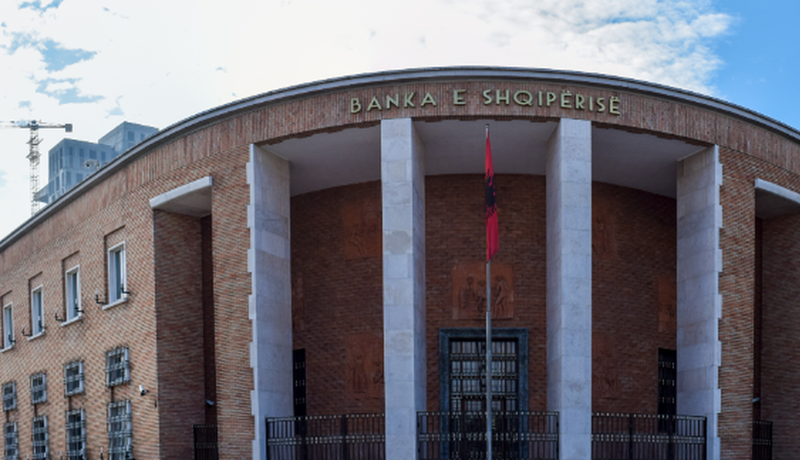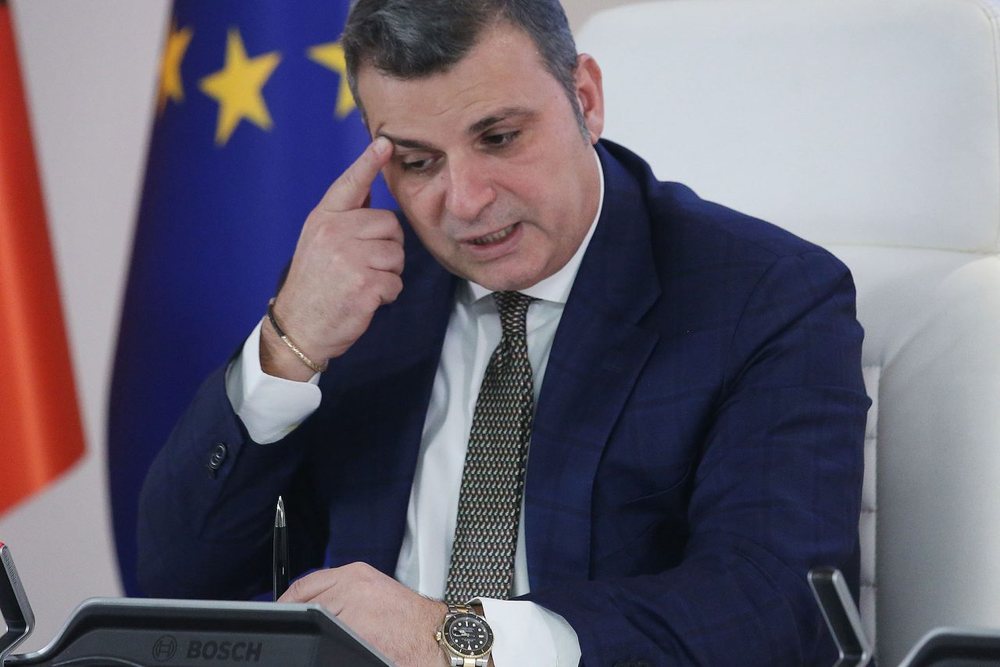
The unclear situation of the conflict in Iran has placed the Bank of Albania in an almost unprecedented dilemma for the course of monetary policy, where on the one hand the increase in prices puts pressure on the increase of the base rate, while on the other hand the slowdown of the economy pulls in the opposite direction. In this situation, the Supervisory Council of the BoA decided to wait by keeping the base interest rate unchanged at 2.5 percent with the hope that the conflict in Iran will be resolved quickly and that its effects on the Albanian economy will be temporary.
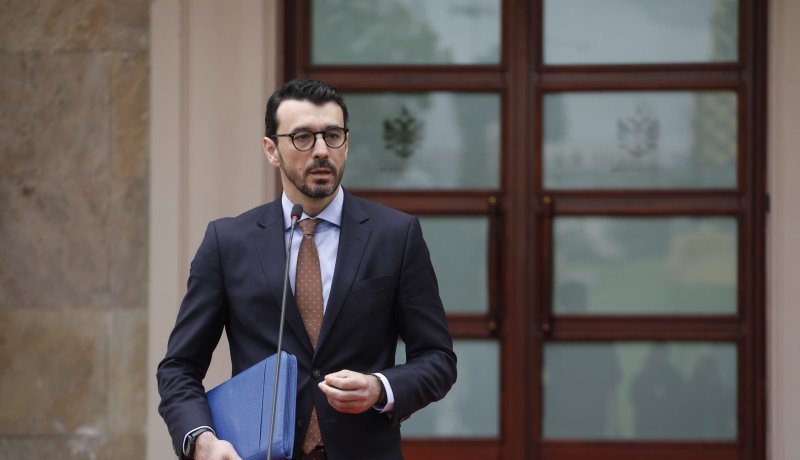
"The update of the baseline scenario forecasts is based on the assumption of a relatively quick resolution of the conflict. The sound initial position of the Albanian economy suggests that the price shock will bring a temporary increase in inflation above the target over the coming quarters. However, this increase is expected to be mild and transitory," said Governor Gent Sejko at the end of the meeting.
But the BoA stressed that risks to the economy have increased and uncertainties are high.
"The military conflict and geopolitical tensions in the Middle East remain a source of risk and uncertainty for the global and Albanian economy. Its impact on the economy and inflation will depend significantly on the duration and intensity of the conflict, shifting the balance of risks to the upside for inflation and to the downside for economic growth in the medium term," Sejko said.
The governor said that the pace of economic growth will slow slightly, but expectations are that the long-term growth trend will not deviate from the natural pace.
"The Albanian economy is expected to maintain positive growth rates over the coming years, close to our estimates of the potential for expanding economic activity. For the time being, the increase in uncertainty and the increase in the price of oil imports are expected to have a negative, but only marginal and temporary, impact on the economic growth indicator for 2026," Sejko declared.
The "on-off" nature of the conflict in Iran is causing headaches for all central banks. The war, the ceasefire, the peace talks, their failure, the naval blockade, its lifting, its reinstatement, has made it extremely difficult to assess the duration and depth of the consequences of the crisis and the stance that central banks around the world should take.
The European Central Bank, which is also the guiding pillar for the Bank of Albania's monetary policy, has so far resisted pressures to increase the base rate. However, these pressures continue to grow and many expect that a tightening of monetary policy in June is inevitable.
Editorial