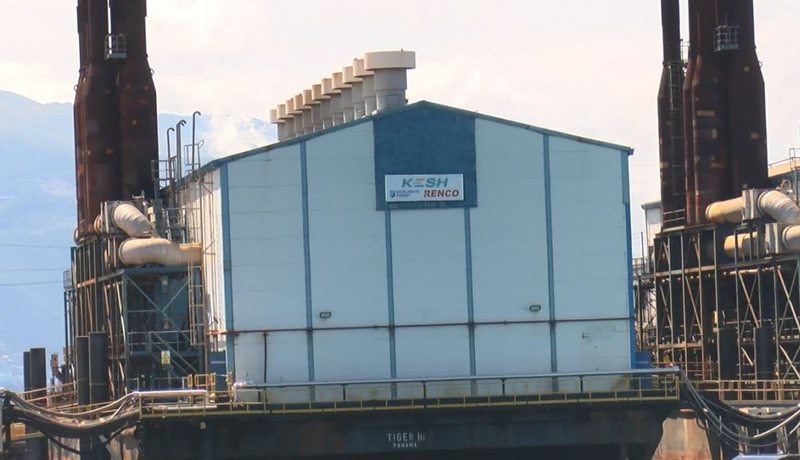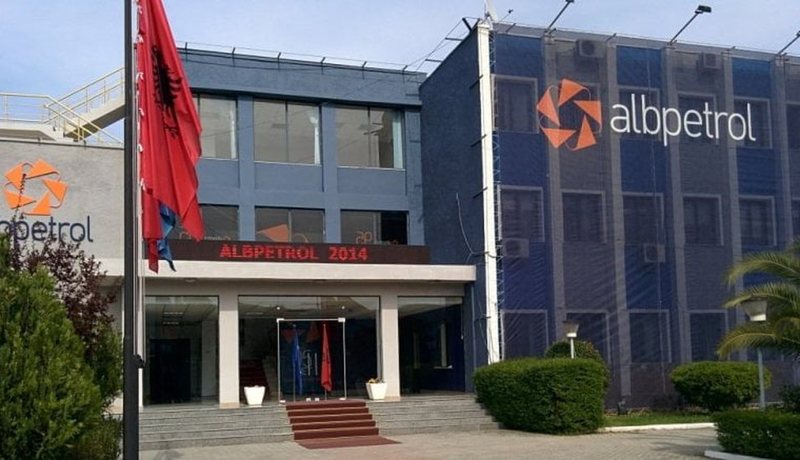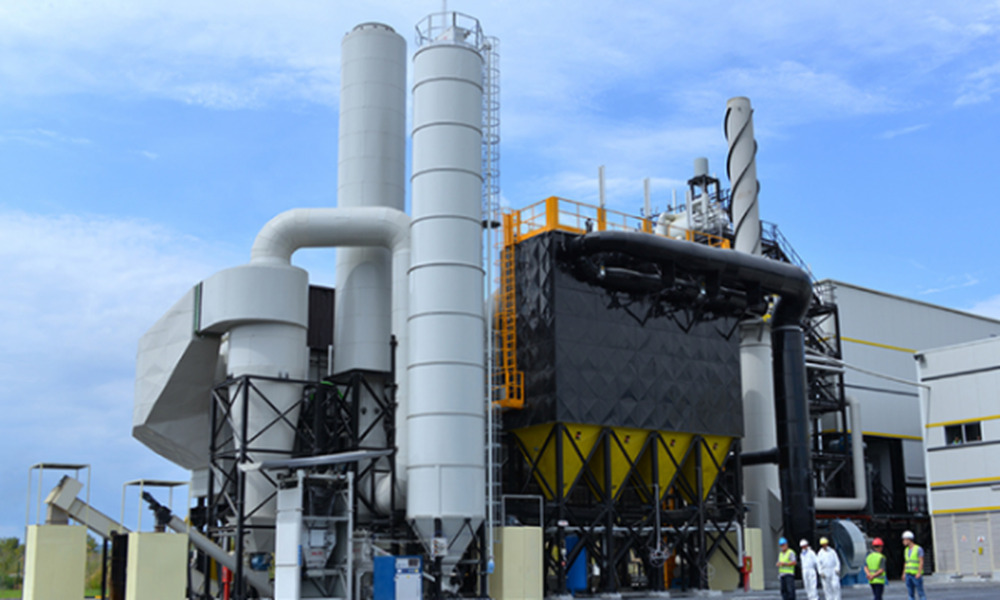
They promised to clean up Albania, but they polluted it even worse... morally, ecologically and financially. Although they were paid hundreds of millions of euros over almost a decade, the three incinerator projects did not make "Albania cleaner" as promised. Over the years, the figures have fluctuated, but the common denominator is that less than 5 percent of the waste generated has been managed by the incinerators.
"The waste management strategy through incineration was wrong from the beginning, which is why we have these results today. Very little waste can be treated by incineration," Mihallaq Qirjo, Environmental Resource Center, tells A2 CNN.
Even less is the amount of waste burned to produce electricity. Data from the Institute of Statistics shows that the amount has been negligible over the past eight years. “The energy produced by incinerators is small as a result of the composition of the waste. To produce energy from waste, significant amounts of plastic, dry paper and fuels are needed, which in Albania are usually recycled informally or end up in landfills without separation at source. This makes the burning process not only inefficient, but also harmful to the environment, as it releases polluting gases for a minimal energy result,” says Qirjo.
While Albania has officially opened negotiations for membership in the European Union, one of the most challenging chapters that awaits it on this path is Chapter 27 - Environment and Climate Change.
This chapter requires not only legal compliance with EU directives, but also real implementation on the ground, especially in one of the most problematic areas: waste management. In this regard, the country should review its own strategy.
A2CNN
Editorial