In 2013, a study conducted by Germans on the development of tourism on the southern coast of Albania identified two main problems: the long road from Tirana airport and the lack of guaranteed water supply.
While the first problem has been significantly alleviated with investments in road infrastructure, the second warning has fully materialized. Today, tourism in the South is facing a devastating reality: the total lack of drinking water.
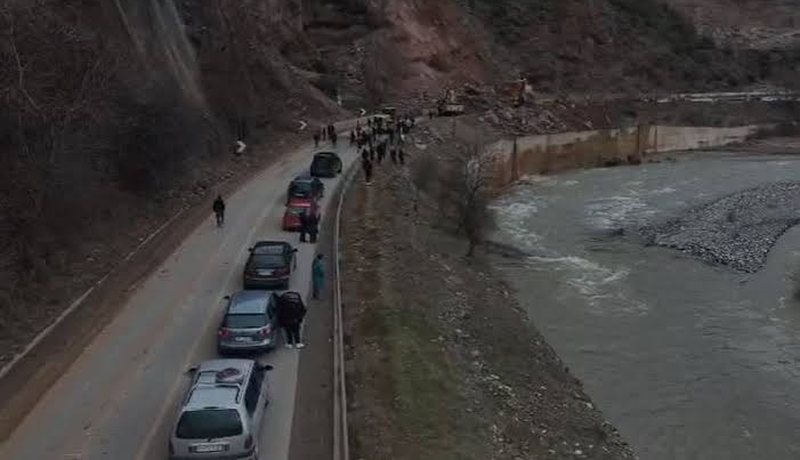
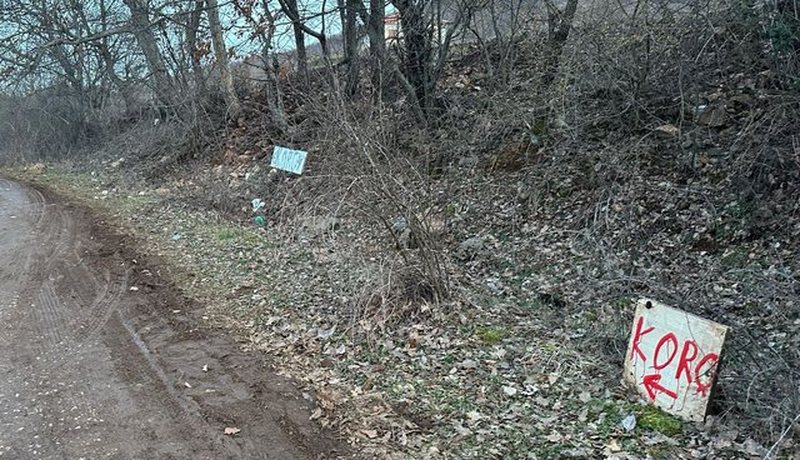
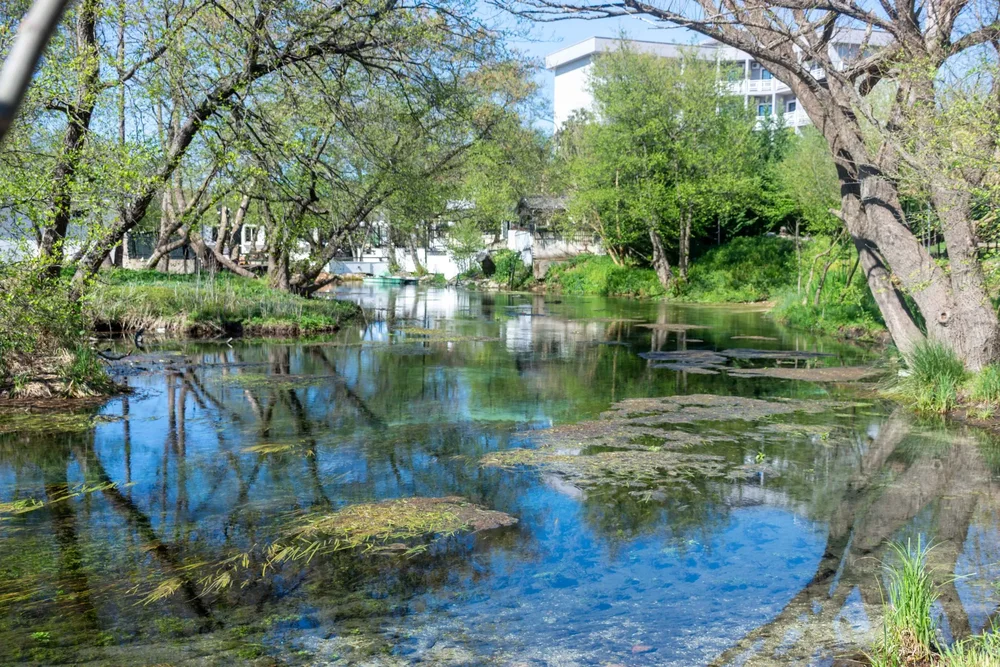
Specialists claim that the only sustainable solution to supply the coastal areas beyond Llogara is the Tragjas water supply. Currently, this source is a water resource that, for the most part, flows into the sea without any benefit. But despite this, the project to supply the southern coast with Tragjas water has stalled because it is opposed by the residents of this village.
Background
The project for the water supply of the southern coast from the Tragjas spring began with an investment request from the Municipality of Himara. Kujtim Muço, Hydrotechnical Engineer, explains the journey of this investment:
"This project started with an investment request from the Himara municipality and then went through all the legal steps like any other project until investment. So it was approved by the Technical Council, it was provided with an environmental permit from the KTA, it received approval from the Albanian Geological Service, the water permit was approved by the Vjosa River Basin Council. It was also finally provided with a construction permit and the investment, which was financed by AKUK, began. Currently, the first lot has been approved, the second lot is in the process of being approved, while the third lot is suspended, as we know, due to complaints from the residents of Tragjas."
Fearing that taking the spring will leave their village without water, the residents of Tragjas have strongly protested against the project. But contrary to their fears, geological figures show a different reality. That the spring is inexhaustible and has water to fully supply the village and the southern coast. Arianit Gelaj, Specialist at AKUK, provides the technical details that prove the abundance of water:
"The spring is a tectonic-karst ascending spring and is part of the Tragjas carbonate aquifer, which as a feeding area has in common with the Vlorë Cold Water. That is, it is the same karst aquifer. This spring had early data that was also reflected in the study. The data ranged from 700 liters to 3,300 liters per second. Based on geological service data, the minimum flow of this spring resulted in 497 liters/second."
Further, Gelaj emphasizes that the design was made with a long-term vision: The water supply pipeline for the Draleos, Drimadhes and Dhërmi areas is projected to receive 290 liters of water per second.
"The project will be developed for a period of 25 years, and the amount of 290 liters per second will be reached after 25 years. Today the amount should be much smaller... The permit from the water resources management agency was obtained for 290 liters, but it was calculated to leave an ecological flow of 186 liters," he explains.
The Painful Paradox: The Abundance of the Mountain and the Thirst of the Coast
In Tragjas, water is not a problem. Residents do not suffer for drinking water. Most residents have wells, while water sources have abundant flow. On the other hand, just a few kilometers away, in Dhërmi e Palasë, the lack of water is turning into a humanitarian and economic crisis.
A resident of Dhërmi explains the extreme difficulties: "I've been without water since Thursday, not just me but the entire village. If Tragjasi hadn't come and fixed it, it would always be like this."
The blockage of the Third Lot of the water supply holds hostage not only the well-being of thousands of residents of Dhërmi, Palasa and Radhima, but also the image of Albania as a serious tourist destination.
When technical data shows that water is being wasted in the sea and that the amount taken does not harm the ecosystem, the objection loses its sense of logic. In the end, the government and institutions have only one solution. Either sit down and guarantee the residents of Tragjas that the new water supply will not affect their daily supply, or completely destroy tourism in the South.
And this is a solution that is not long in coming. The new tourist season is approaching again. And the pearl of Albanian tourism, as the government itself calls the South Coast, is once again without water and without sewage.
But there can be no tourism without water. Even more so, elite tourism.
Editorial