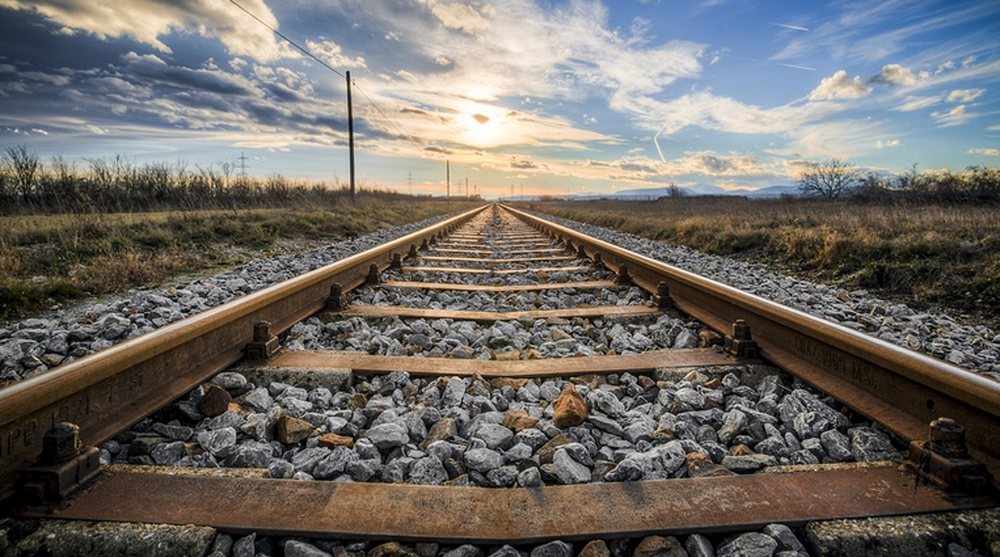
The Albanian government will receive another €30 million loan from the European Bank for Reconstruction and Development on behalf of the Albanian Railways. The loan, which is attached to another €30 million sovereign loan from the EIB and €60 million in investment grants and technical assistance from the EU through the Western Balkans Investment Framework, will be used for the reconstruction and electrification of the Durrës-Rrogozhina railway.
"The strategic project will rehabilitate and electrify approximately 34 km of railway between the port city of Durrës and Rrogozhina in central Albania, including the reconstruction of station buildings. It marks a critical step in Albania's efforts to modernize its railway network, improve regional connectivity and align with EU transport and environmental standards," the EBRD announced.
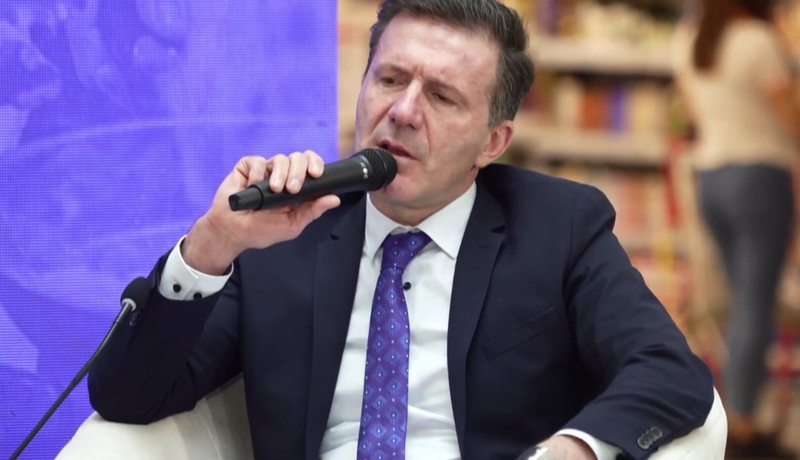
Donald Mishaxhiu, EBRD Regional Head of Infrastructure for the Western Balkans, Romania and Bulgaria, said that the investment reflects the EBRD's continued support for Albania's railway transformation.
The Durrës-Rrogozhinë line is part of the Pan-European Corridor VIII, a 1,500 km road, rail and ferry route connecting southern Italy to the Black Sea ports of Bulgaria. It will create Albania’s first rail link with North Macedonia, significantly improving cross-border mobility and economic integration in the Western Balkans.
This latest investment builds on the EBRD's long-term commitment to Albania, where the Bank has already financed major railway projects, such as the Tirana-Durres and Vore-Hani i Hotit lines.
The project is fully in line with the EU Economic and Investment Plan for the Western Balkans and supports Albania's national strategies for sustainable transport and regional development.
It also reflects the advantages of the EBRD's approach to the Green Economy Transition and is expected to bring significant environmental benefits by shifting freight and passenger traffic from road to rail, reducing carbon emissions and supporting Albania's green transition.
Editorial