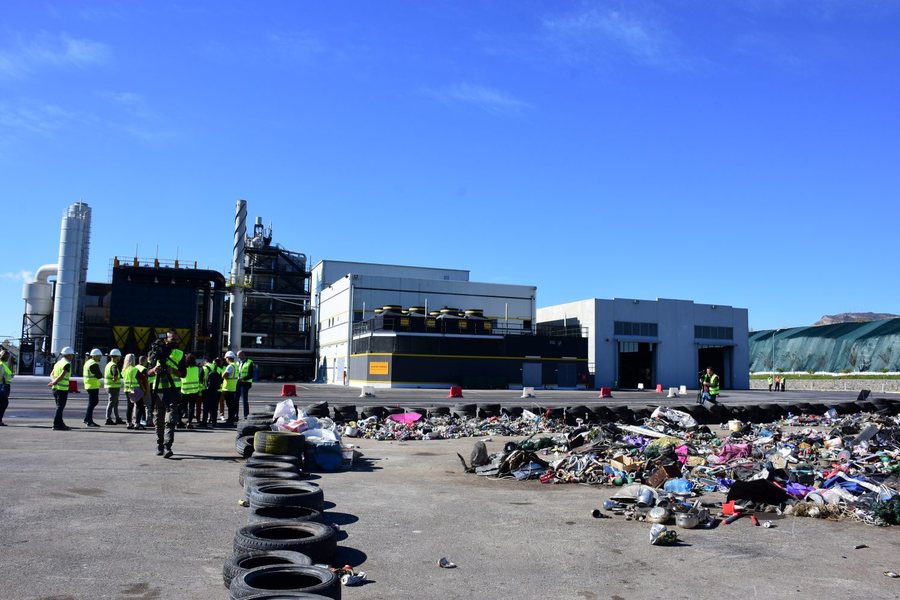
The government has found a solution to finally seal the corrupt incinerator affair, which cost Albanian citizens hundreds of millions of euros wasted. The Ministry of Environment registered the state-owned company at the National Business Center, which will take over the administration of the two Rrangalla incinerators and all the country's landfills.
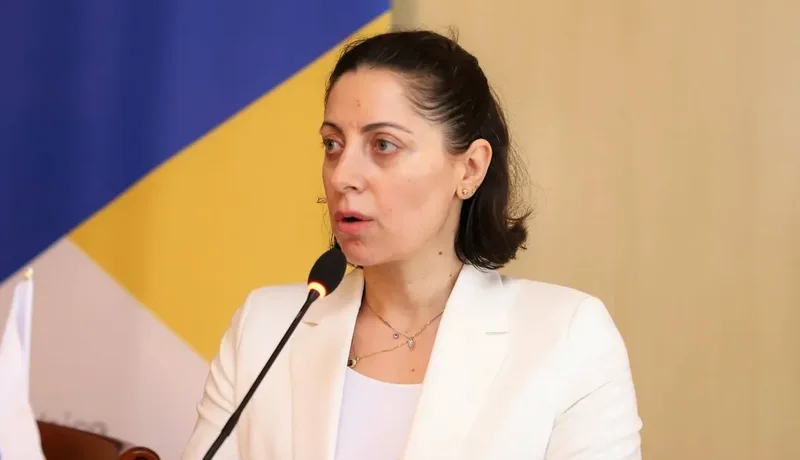
Named the National Waste Management Agency, the company will be owned by the Ministry of Environment, but will of course function independently in decision-making. Its administrator has been appointed Ersi Sulejmani, former director of OSHEE in Shkodra and Gjirokastra, accused by the opposition of being a trafficker.
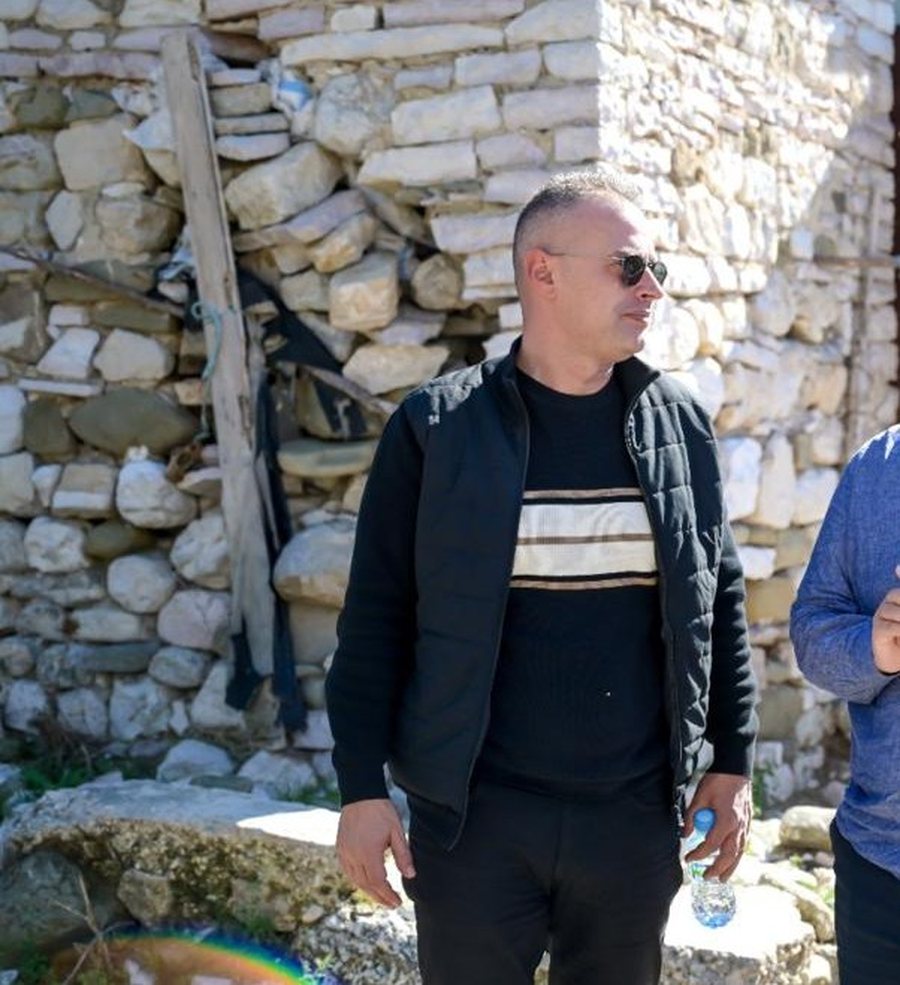
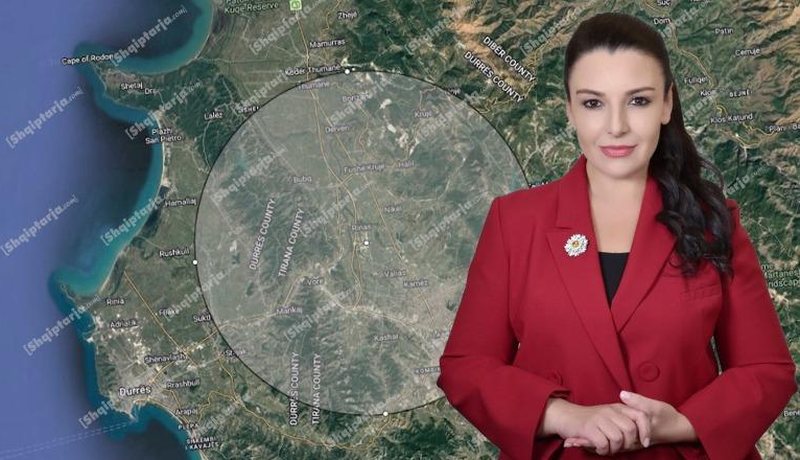
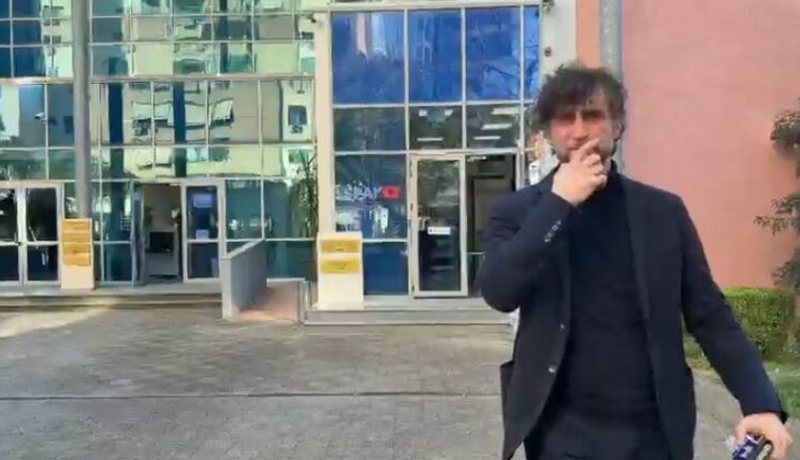
Ersi Sulejmani, director of AKEM
"The company's main activity is the construction, development, coordination and administration of the infrastructure of the national network of waste treatment (recovery and disposal) plants," the company's extract from the Central Bank states.
In parallel, the National Waste Management Agency will also have the objective of designing and implementing projects to establish end-to-end waste management infrastructure. But how will this company be financed?
The government has given it the right to collect fees for the disposal of waste in landfills or incinerators. So what the famous Integrated Energy did until yesterday, will now be done by the state-owned joint-stock company.
"The National Waste Management Agency will have the objective of providing, against payment, the final waste treatment service and any other service, in accordance with the purpose of its creation," the company's extract states.
It is not known whether the government will reduce the fees that citizens pay for landfilling waste, especially in Tirana, where 29 euros per ton is paid. This fee was set for the landfill plus waste incineration service. But the incinerator was never built and citizens of the capital continue to pay the 29 euro fee, through the municipality's budget.
What is known is that the tariffs that the new state-owned company will charge will be set by its Supervisory Council, a body with five members, two of which are from the Ministry of Environment, while the other three come from the Ministry of Economy, Local Government and Finance.
JSC fashion
The National Waste Management Agency was created three years ago, when the government was hit by the incinerator scandal and Belinda Balluku and Mirela Kumbaro were fighting to remove responsibility from their ministries. Initially, the government established it as a budgetary agency, but only recently its status was changed to a joint-stock company.
The establishment of joint stock companies has become the government's latest fad, especially in those sectors where corruption scandals have erupted.
After the sterilization concession affair broke out, the National Sterilization Operator JSC was born. After SPAK began tracking the theft of military property, KAYO JSC emerged, and after the explosion of the digital swamp in AKSHI, which spread to Germany, the ICT Operating Company was invented.
The government is now completing the chain of joint-stock companies born of corruption with the National Waste Agency.
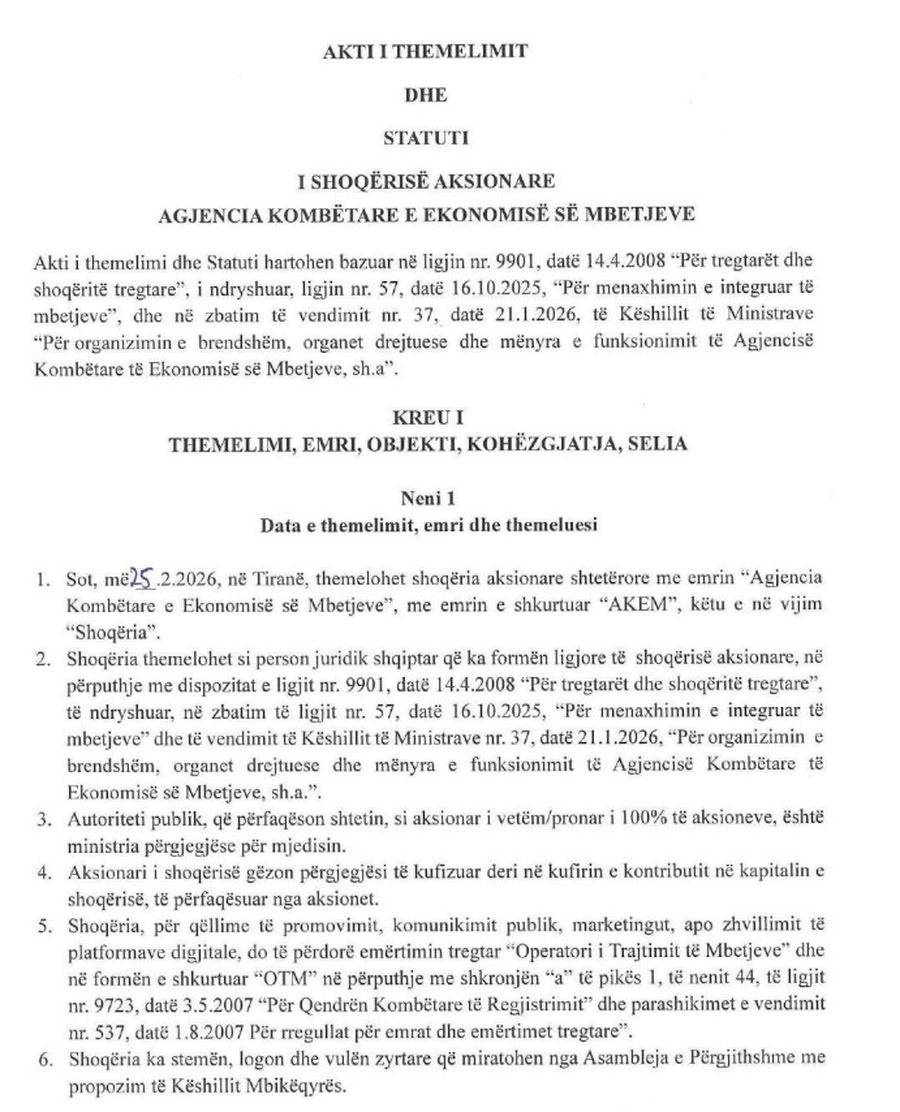
Creation of AKEM as a joint-stock company
The sprouting of joint stock companies like mushrooms after rain, or more precisely like mushrooms after thefts, is not a random panic move. It is part of a well-thought-out plan, which has two goals. First, to remove political responsibility from Edi Rama and his inner circle for past and future affairs.
But while the first goal is to remove political responsibility from the court, the second goal is even more diabolical. It is to relax the mechanisms of transparency, public control, and ultimately remove criminal responsibility from the governing dome.
Editorial