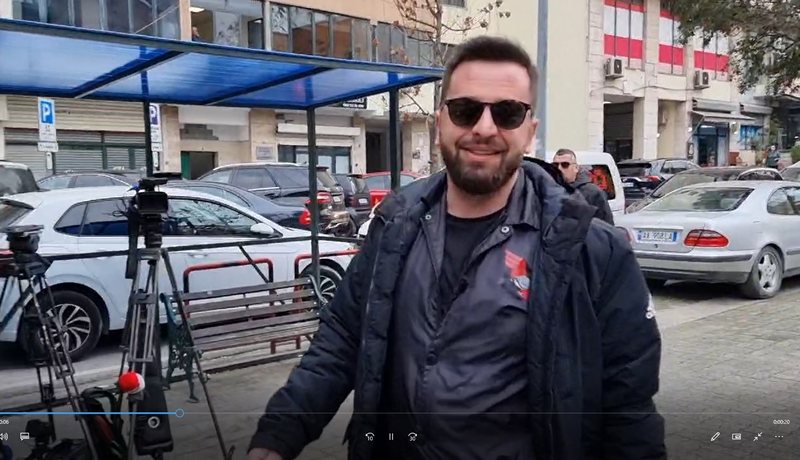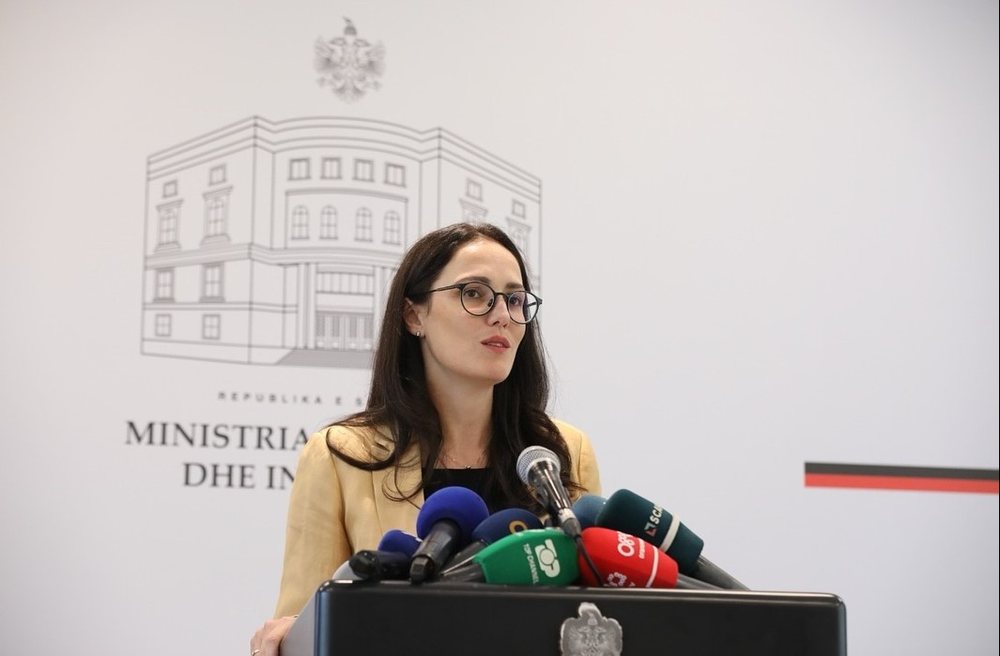
The Minister of Economy and Innovation, Delina Ibrahimaj, during a statement to the media, focused on the implementation of a 3-year plan that the government will implement to reduce cash in the economy. This is part of the fight against informality and improving the investment climate in the country.
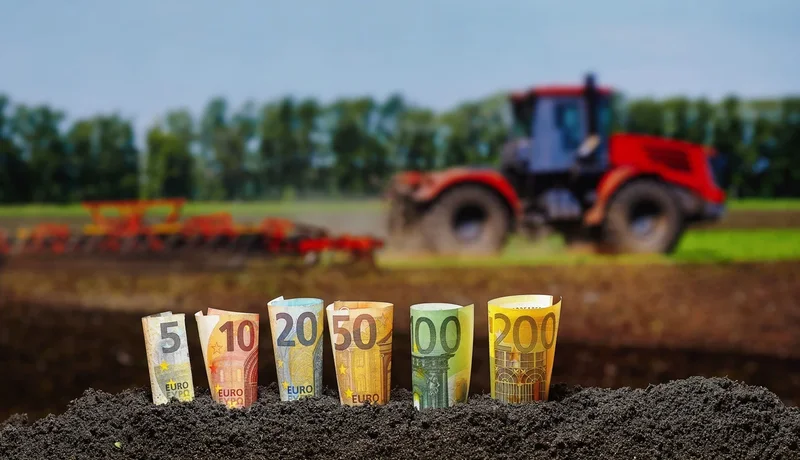
"As for money outside the banking system and the reduction of informality, we will have an aggressive plan of measures to reduce cash in the economy. It is a 3-year plan prepared by the government that will be approved in cooperation with market actors, the Bank of Albania, the banking sector and all those actors that are part of and can contribute to the reduction of cash in the economy. This plan includes a series of measures that will be implemented over the next three years with the aim of combating the informal economy, increasing the competitiveness of businesses and improving the investment climate in the country. The reduction of "cash" is an important step towards the formalization of the economy and the fight against corruption and money laundering. Albania's exit from the MONEYVAL gray list two years ago was an achievement, but now we need a more structured and long-term approach to guarantee investor confidence and reduce financial costs for businesses operating in international markets. Albania has also become part of the SEPA system, which is expected to bring further reductions in financial transaction costs."
Meanwhile, during the statement, Ibrahimaj emphasized that Albania's economy grew by 3.51% during the second quarter of 2025. The minister emphasized that household consumption increased by 3.88% and public administration by 12.44%, while it also focused on the increase in foreign direct investment flows.
"Foreign direct investments reached 759 million euros, increasing by 8 million euros compared to last year. Italy and the Netherlands have the largest investment flows, while Austria and Kosovo have increased. The main investment sectors are real estate, financial activities and the extractive industry. 5% of foreign investment profits are reinvested in the country."
Ibrahimaj also emphasized that the minimum wage will go to 500 euros, and that for the first 18 months, the additional costs of business obligations will be covered by the government.
Editorial