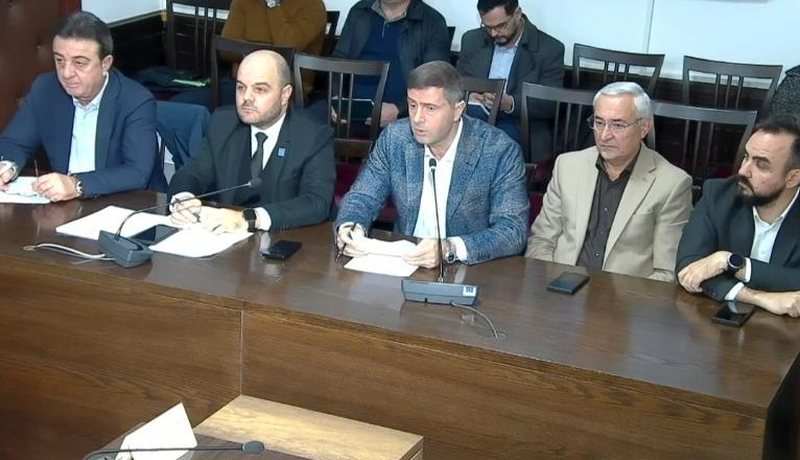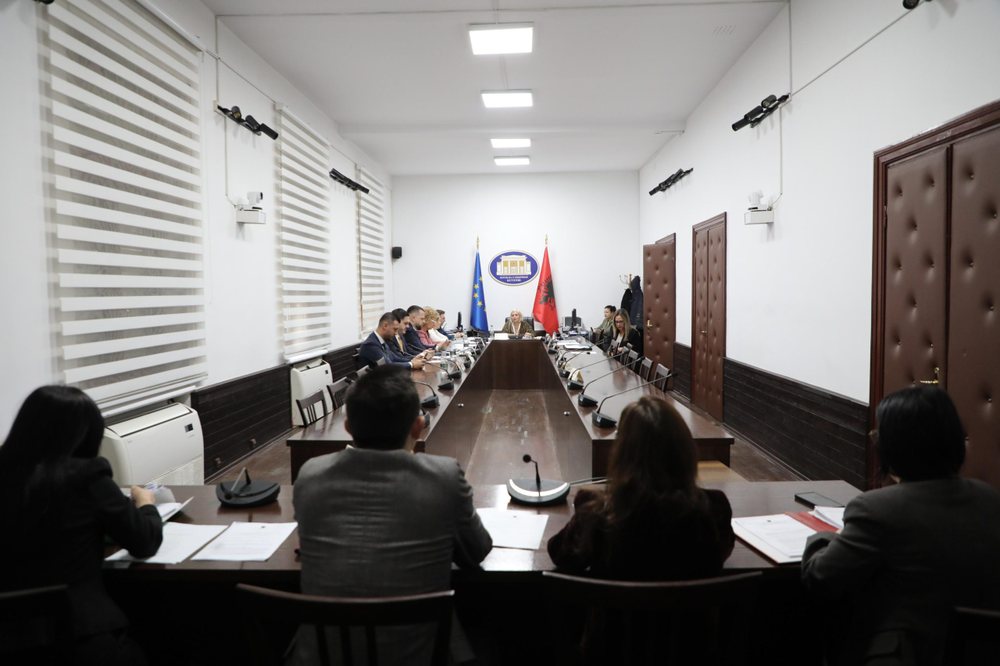
The Fiscal Package accompanying the 2026 draft budget was approved article by article on Wednesday in the Parliamentary Committee on Economy, Employment and Finance with only majority votes, while the opposition amendments proposing transparency mechanisms for beneficiaries were defeated.
Two amendments by Democratic MP Enno Bozdo provided that the draft law on 'forgiveness of obligations' would make it mandatory to publish the list of at least 3,000 taxpayers who have benefited from the largest amount of obligations, according to the definitions of this law.
"We are forgiving 2 billion euros in debts, we need to know who benefits and where this money goes," argued Bozdo, adding that the proposal provided that "in any case, the list should include all taxpayers, entities whose debts of no less than 5 million lek have been forgiven."
Although the idea was supported by veteran Socialist Party MP Erion Braçe, the committee did not vote on it, accepting the argument of Deputy Finance Minister Endrit Yzeiraj that sensitive data could not be released. MP Braçe argued that this is an element of transparency and that the Assembly should know “who we are doing this favor for.”
"It is an element of transparency that for the purposes of the principle of this law should be in the law no matter what," he said, adding that, "the minister told us 90% are companies that no longer exist, so what problem do we have in this case?"
According to Bozdo, the government's refusal was "unprecedented and meaningless" and the justification of protecting sensitive data does not hold up.
The government also rejected another proposal by Bozdo that sought to increase transparency in the list of beneficiaries of debt forgiveness, excluding companies owned by individuals who, through other companies they own, have benefited from public funds and have positive balance sheets.
"It is neither fair nor just," he said, linking his amendment to a violation of moral principles, when the state favors those businesses that have not implemented their obligations, while there are businesses that have been regular with their tax payments.
Deputy Minister Yzeiraj insisted that the initiative was conceived on "universal principles" to benefit all entities with obligations to the state.
"The issue of the principle of morality is very fair," he told Bozdo, but added that "these are measures that are being carried out within the framework of rapid integration into the EU."
Meanwhile, the government agreed to extend debt forgiveness to local administrations at the proposal of MP Braçe, but only for debts over 10 years old.
The debate on transparency also involved the committee in the article-by-article review of the initiative for the "Fiscal Peace Agreement", which provides that businesses can declare profits held off financial balance sheets, against a tax of 15% if the re-declared profit is 18% higher than that declared in the last three years, and 5% for profits higher than that.
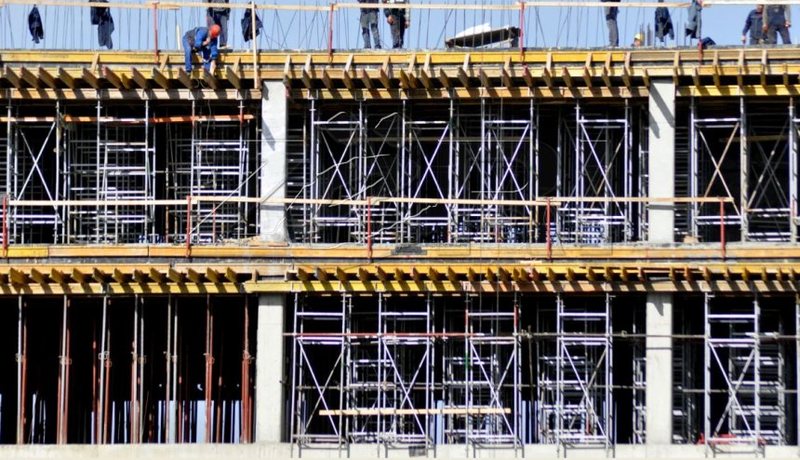
MP Bozdo proposed two amendments to exclude from 'peace' agreements companies operating in the construction sector, as one of the sectors with the highest risk for money laundering, and to establish in law the obligation of tax authorities to report to the bodies responsible for preventing money laundering and terrorist financing regarding financial transactions that will be made in accordance with the law.
The committee did not approve Bozdo's two proposals, but included an amendment by socialist MP Braçe on control by agencies against money laundering and terrorist financing.
Meanwhile, Braçe expressed reservations about some wording of the provisions, casting doubt that the law was favoring persons who have committed tax evasion and distorted financial statements, and requested the inclusion of an article that obliges the Ministry of Finance to draft reports on the implementation of this law, on the amounts and beneficiary companies.
The proposal was not welcomed by the deputy minister, but with the intervention of the chairwoman of the committee, Milva Ikonomi, the committee approved it.
Brace also requested the removal of an article that provides for the exemption from responsibilities of statutory auditors who have audited the annual financial statements of companies that will be included in the 'fiscal peace' agreements prior to the re-declaration process.
"This is amnesty! You are trying to solve fraud with balance sheets and financial statements by law, every fiscal official who has certified with tax audits 'has served to legitimize fiscal cleansing,'" said the socialist MP, demanding that state employees and statutory auditors not be 'amnestied'.
"Whoever has problems should solve them in another way, not by forcing us to vote here," he addressed the government representative.
But Yzeiri said he did not agree with the proposal to amend the relevant article, arguing again with the principle of 'universality'. "On the one hand, helping businesses and on the other hand, punishing individuals, this would open an endless process whether the culprits were other individuals or businesses, we are for everyone to benefit from peace," he said, among other things.
The two draft laws of the Fiscal Package have been criticized by the opposition as a camouflaged attempt to implement 'fiscal amnesty', an early project of Prime Minister Edi Rama that was not implemented due to opposition from international financial institutions.
Several Democratic Party MPs, through a public letter, have once again requested the reaction of EU institutions to stop these initiatives as 'dangerous' for the Albanian economy and the integration process itself.
"Although presented as a fiscal reform to support citizens and the formalization of the economy, the package contains provisions that essentially and in effect constitute a fiscal amnesty, expanding the possibilities for the legalization of undeclared income and assets. In its current form, the initiative poses high risks for money laundering, the use of the proceeds of corruption, and the introduction of illicit capital into the formal economy," the letter signed by the Democratic deputies states.
The initiator of the letter, Jorida Tabaku, said on Wednesday that "the amnesty opens new channels for money laundering, especially for unidentified and dishonest entities, making the construction sector even more exposed to informal money."
The draft budget and accompanying financial laws are expected to be approved by the Assembly during December, while MPs have the right to propose amendments in the plenary session.
Editorial