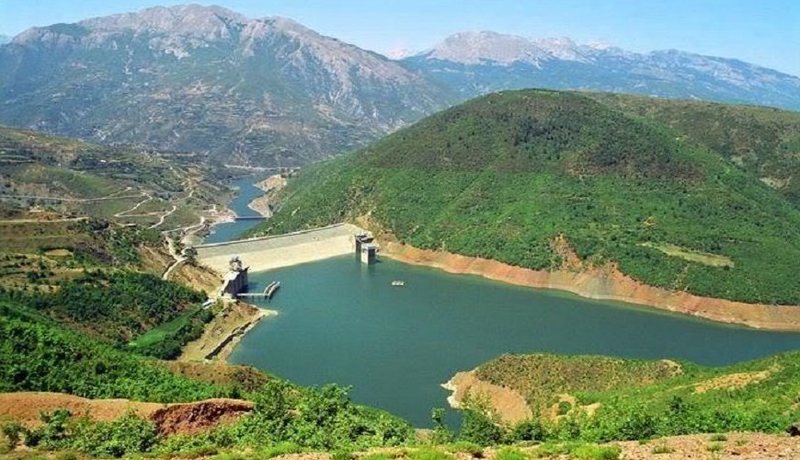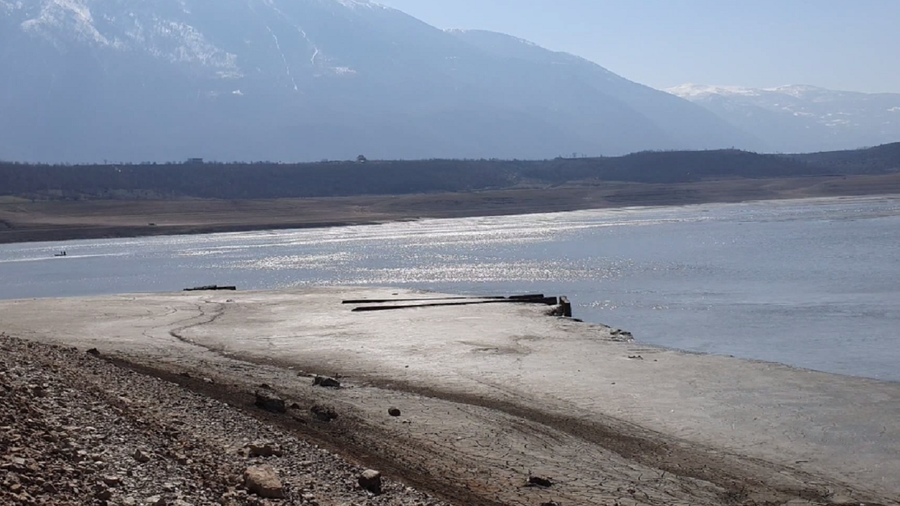
Hydropower reserves in Greece and Bulgaria are at their lowest level in a decade, with the decline attributed to prolonged drought and limited rainfall. The situation is affecting electricity production, as hydropower capacity in the South-Eastern European region is estimated to decline by around 10% by 2025.
The reduction in available hydroelectric power is acting as a price support factor in the wholesale market. According to estimates cited by Montel, a power loss of 1.1 GW is expected in the next three weeks. Although a partial recovery of water reserves was observed in August, the outlook in both countries remains weak compared to previous years.
Albania
Albania, which relies heavily on hydroelectric power for its energy balance, faces similar pressures. Official data from the Albanian Power Corporation shows that the country's hydro reserves have currently fallen to 563 gigabytes, or nearly 25 percent below the multi-year average for this period.
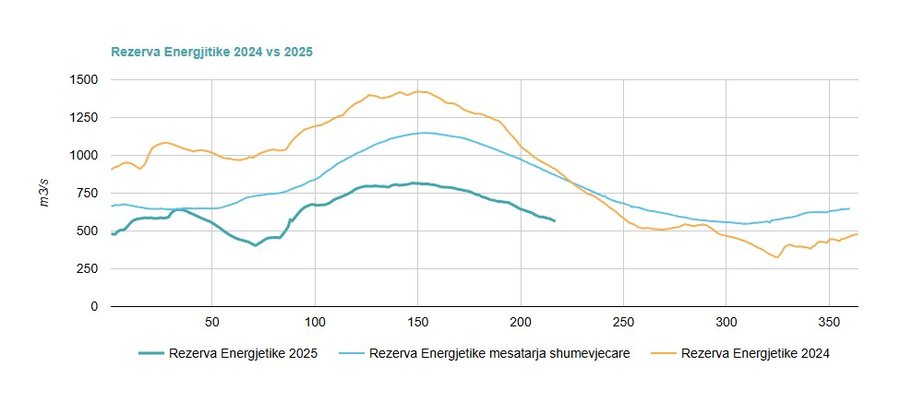
Water reserve
Currently, part of the decline in hydro production is being compensated by the increase in solar energy. According to data from the Institute of Statistics, for the period April - June, photovoltaic plants generated 288,034 MWh of energy, accounting for 16.4% of total domestic energy sources, when in the second quarter of 2024, photovoltaic energy accounted for only 6.8% of the total.
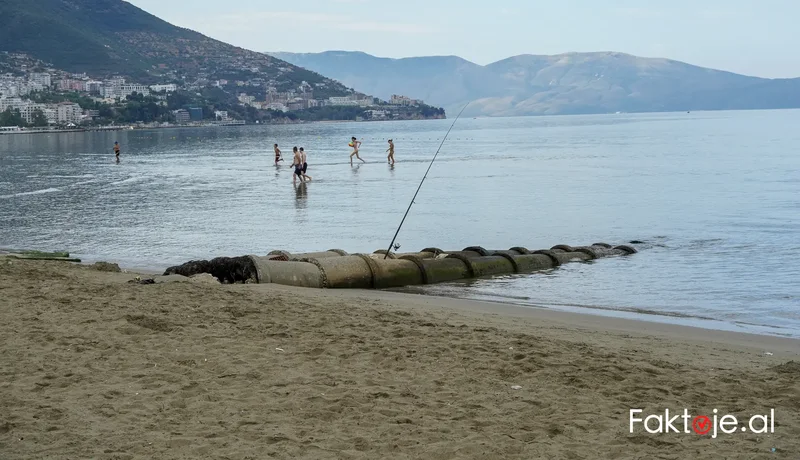
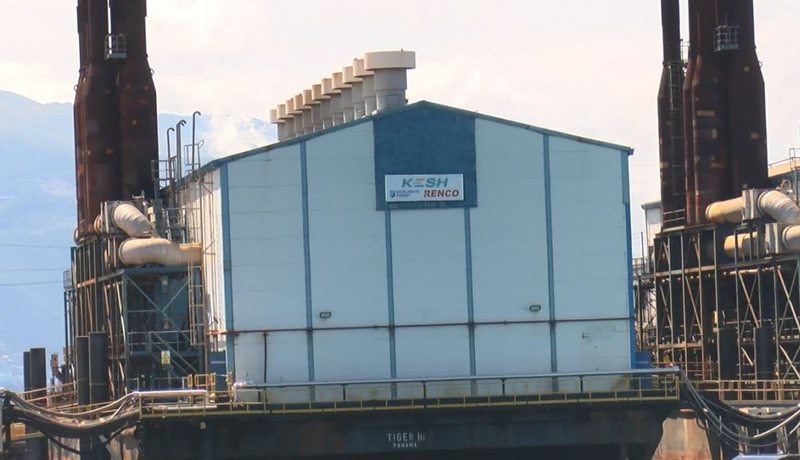
However, the increase in production from solar sources is not enough to fully compensate for the decline in hydro production. This has forced KESH to import a large amount of energy this year, while in parallel the Corporation has also put into operation the two ships anchored in the Bay of Vlora.
According to data from KESH, so far the two Vlora Tigers have produced over 60 thousand megawatts of electricity this year, while a few days ago, the Corporation announced the opening of a tender for the purchase of 15 thousand tons of fuel, which will be used to produce energy from the two floating power plants.
Editorial