Central government arrears have increased significantly at the end of the third quarter of 2025, despite the fact that the state budget has resulted in a surplus due to the failure to realize public investments.
Official data show that at the end of September, total arrears at the central and local levels reached 12.67 billion lek, up from 9.93 billion lek in June — an increase of about 27.6% within three months.
Of this total, the central government accounts for the largest share, with 7.3 billion lek, compared to 4.9 billion lek in June, which represents a strong increase of 48.5% in this segment alone.
Outstanding investments, the category with the highest growth
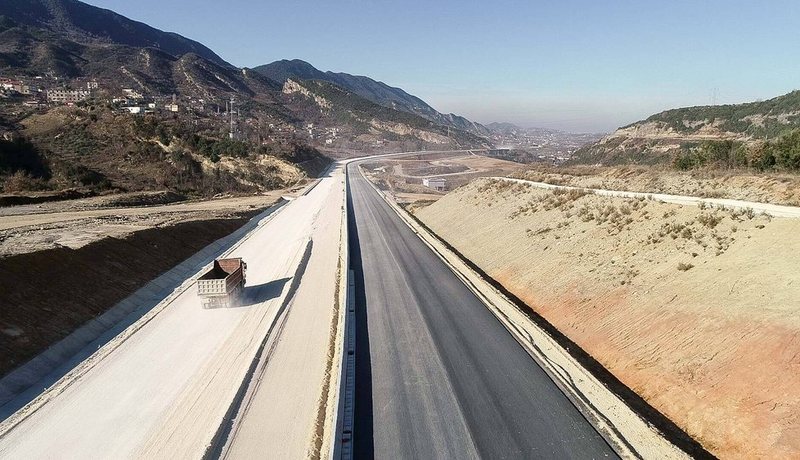
In the structure of liabilities, the largest part of the growth has been generated by investment projects, where outstanding liabilities have more than doubled – from 1.8 billion lek in June to 4.26 billion lek in September. This constitutes an increase of 131%, clearly reflecting postponements and delays in payments of public contracts.
Significant increases were also observed in the maintenance item, where liabilities increased by 72%, as well as in services, with an increase of over 30%. Meanwhile, liabilities for court decisions expanded slightly by about 1.6%, while those for VAT reimbursement remained unchanged.
Municipalities reduce liabilities, after the Ministry of Finance's warning
In contrast to the central government, local governments have managed to reduce their arrears during the same period. This comes after the Ministry of Finance announced that municipalities had until July 20 to submit repayment plans and curb the accumulation of new debts. Some municipalities have taken corrective measures, gradually reducing the stock of arrears.
Fiscal Nonsense: Liabilities Increase, While the Budget Remains in Surplus
The biggest paradox this fiscal balance raises is the fact that outstanding liabilities have increased significantly in a period when the state budget continues to result in a surplus. In other words, there is money, but it is not being spent.
This shows that despite the available resources, the implementation of public projects has been slow and payments for existing contracts have been postponed to the following months. The increase in arrears, especially in the investment item, constitutes an alarm signal for the management of budget execution and the fiscal discipline of central institutions.
Editorial