Klodian Tomorri
Albania often plunges into situations of collective euphoria. Years ago, under the Democratic Party government, businesses and real estate agents rushed en masse towards hydroelectric power plants, while a hydroelectric power license sprouted for every stream in the country. It all became so comical that very soon the licenses began to be traded as if they were stock market commodities.
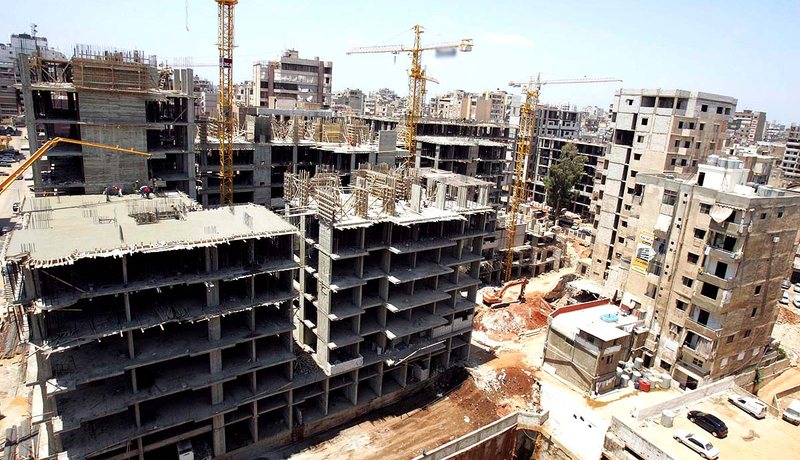
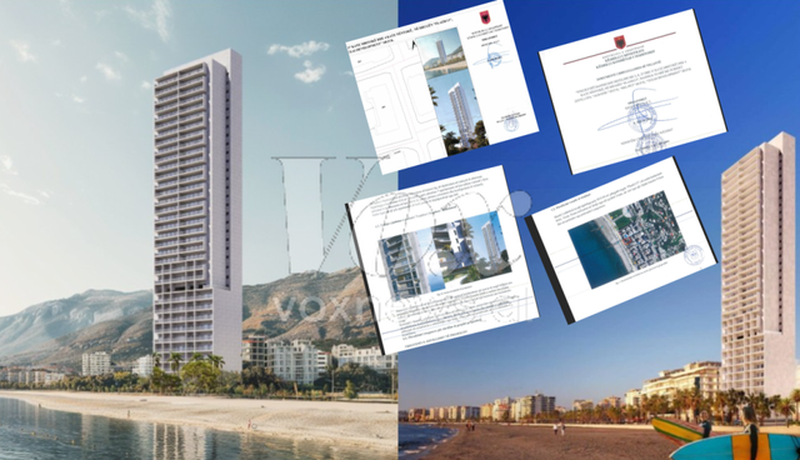
After the river hydroelectric power plants, it was the turn of the high towers. Here too, the grotesque reached its peak, as the poorest country in Europe became the largest employer of architects in the world and designed more tower floors than all of Europe combined. But like a large part of the licenses for hydroelectric power plants, the tower projects remained on scrap paper. And yet Albania does not remember.
The euphoria was repeated. Again in the renewable energy market, although this time the new front is that of solar energy.
The sun is not enough
Applications for solar parks must have already exceeded 10 thousand megawatts of installed power, while those approved must have currently exceeded 2 thousand megawatts. In parallel, across Albania, villagers are being deprived of their lands by the euphoria of the sun, while licenses continue without interruption.
But as the race continues, those who first entered this business are now facing a reality that is not so rosy. And numbers are the best killer of euphoria. At the next meeting of the Regulatory Authority, the requests of three companies that have built solar parks for the modification of their licenses were reviewed.
EZ-5 Energy, the company owned by Edmond Ademaj, has applied to modify the licenses for its two photovoltaic parks with a capacity of 30 megawatts and 10 megawatts. Nova Solar System, owned by Ilir Shtufi and Agim Zeqo, has also applied to modify the license for its 50 megawatt park in Sheq Marinas, Fier.
Both companies are seeking license modifications, not to increase capacity, but to invest in storing the energy they produce. The reason is prices.
Photovoltaic parks produce energy during the day, when demand for this product is low and the price drops to a minimum. Currently, the net price of energy sold by solar farms fluctuates in the range of 10-15 euros per megawatt. These prices make photovoltaic parks a business that takes years to pay off the investment.
Generally, the cost of building a solar park fluctuates around 1 million euros per mega installed. So a solar park with a power of 50 mega requires about 50 million euros of investment. But with prices at the level of 10-15 euros per mega, it can generate a maximum of 1 million euros of income per year.
Double the investment and the risk of banks
This is why solar park businesses are now rushing towards storage through battery technology. But this is not without cost. Investing in batteries requires approximately the same amount of money as construction, which means doubling the investment.
Companies that have the financial strength will move towards storage to optimize the sale of energy during times when the price is favorable. Others, who do not have this strength, risk facing the failure of their business.
This is a risk, which is further amplified by the fact that Albania does not have the infrastructure of lines that would guarantee the trading of energy in foreign markets. In short, the euphoria of the sun is quietly fading and investors are coming down to earth.
But this risks several consequences. If in the case of towers, the risk to the financial system was limited because banks stayed away from lending to them, in the case of solar parks this is not the case. The vast majority of solar parks have been built or are being built with bank loans.
Companies that do not have the strength to resist or invest in technologies that optimize revenue will find it difficult to survive in the market that generated the latest collective euphoria in Albania. And the financial system will take its toll on non-performing loans.
Editorial