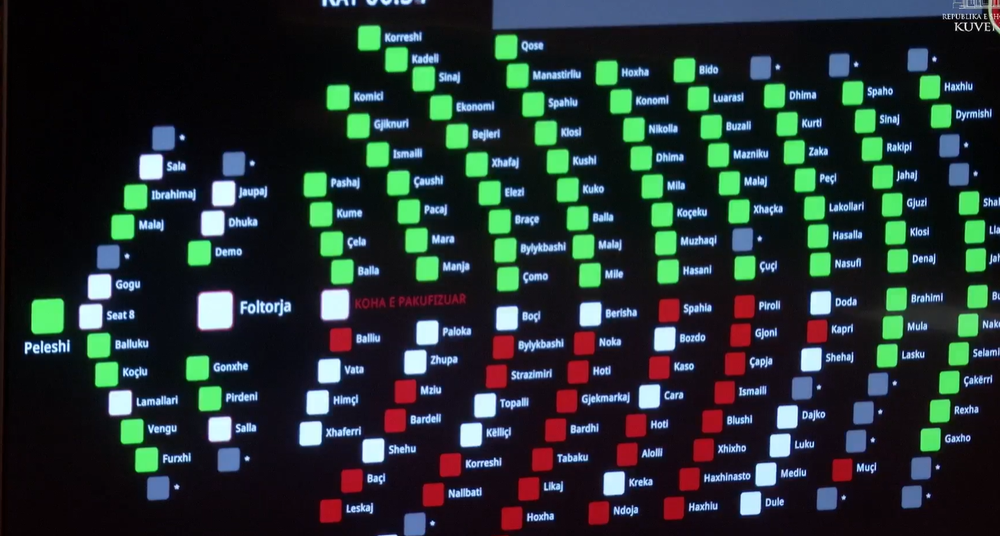
The socialist majority approved with 83 votes 9 draft laws on the agenda related to next year's budget, fiscal peace and asset revaluation.
The marathon session lasted about 16 hours and was accompanied by fierce debates between the majority and the opposition.
During the vote, it was noticeable that MP Erion Braçe did not participate in the vote on the draft law "On the local tax system", while MP Vullnet Sinaj did not vote on the two draft laws "On the fiscal peace agreement" and "On the cancellation, extinguishment and payment of tax liabilities to the central tax administration and of liabilities payable to customs".
Prime Minister Rama defended the budget and investments foreseen for next year, while the opposition symbolically protested by turning its back on him.
The government has refused to make public the list of the biggest beneficiaries of the tax amnesty. But of course they are the country's largest businesses. Meanwhile, the other law, the fiscal peace law, which reduces the profit tax to 5 percent above a certain profit threshold compared to the previous year, is also a measure that directly facilitates businesses in the most crony sector of the economy, that of construction.
Tower or resort developers can allocate profits over time as they wish. They have dozens of ways to do this, from manipulating the timing of sales contracts to changing payment plans with customers.
So they are able to declare 100 lek profit the first year, 200 lek the second year, and so on. This is an opportunity that a market, an agricultural farm, or any other business does not have.
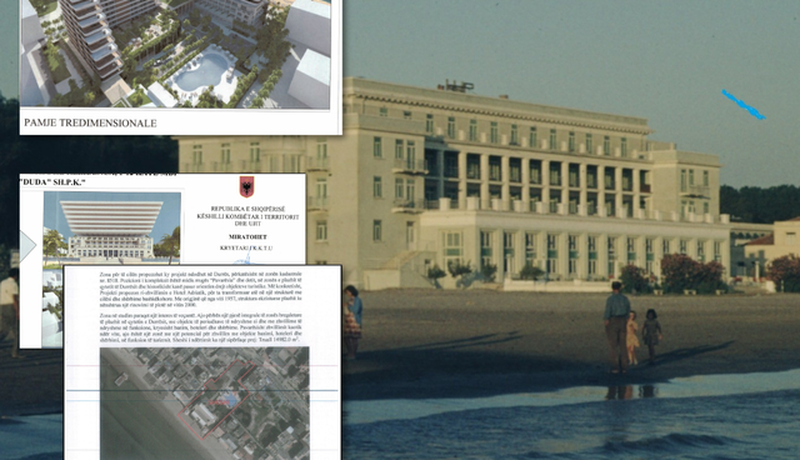
Fiscal peace is actually a trove to cut taxes for the government's favorite businessmen. These are the builders of towers, palace complexes, and seaside resorts.
Editorial